North West and North Wales High-Level Surface Preparation for Better Coating Performance and Longer Maintenance Cycles
North West and North Wales High-Level Surface Preparation for Better Coating Performance and Longer Maintenance Cycles
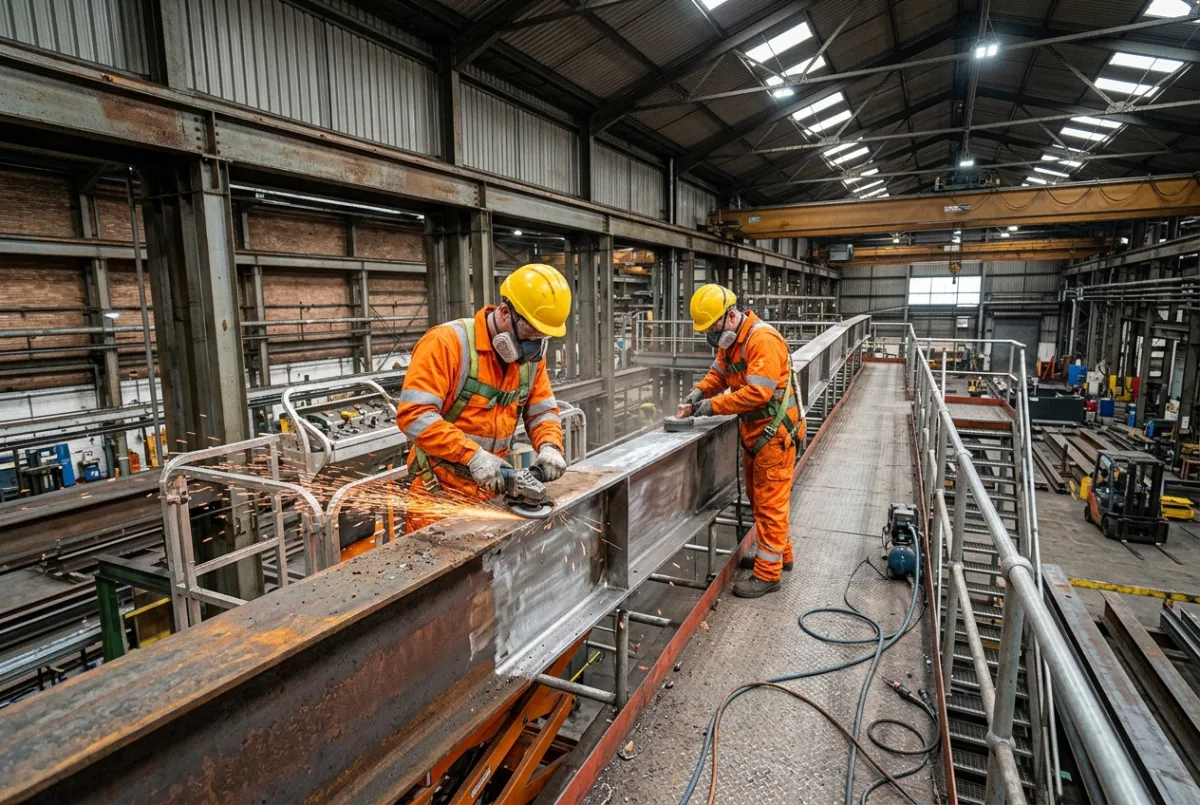
High-level surface preparation in North West and North Wales creates the conditions needed for coatings and remedial works to perform properly on elevated industrial assets. Whether the aim is removing failed coatings, preparing weathered steel, cleaning down oxidised surfaces or getting structures ready for repainting, the quality of preparation shapes the life of the final finish. ACS plans preparation scopes around contamination level, substrate condition, access method and containment. On some sites that means abrasion and mechanical cleaning; on others it means detergent washing, hand-tool preparation or tightly controlled shot-blasting support. Small access-led repairs may fit into a short maintenance window, while large steel packages can take several phases across a shutdown.
Preparation is naturally linked to downstream high-level industrial painting and can also be influenced by access choices such as rope access cleaning where floor-level obstructions limit equipment positioning. Where dirt, oil or residue is present before preparation starts, teams often compare the requirement with industrial degreasing and deep cleaning so cleaning standards are set high enough for the coating system. Before abrasive or chemical preparation begins, the method should reflect the principles of control of hazardous substances{: target=“_blank”} so hazardous exposure is properly controlled.
Preparation quality decides coating life
Surface preparation at height is where many industrial maintenance projects are won or lost. If contaminants, corrosion products or failed coatings remain in place, even a premium coating system may fail early. Across the North West and North Wales, asset owners use planned preparation work to improve adhesion, reduce premature breakdown and make shutdown spending go further.
What preparation can involve
Depending on the asset and environment, the scope might include abrasion, hand-tool preparation, washing, degreasing support, edge treatment or controlled blasting assistance. The correct method depends on substrate condition, coating specification, containment needs and access method.
Costs and realistic delivery windows
Preparation-only programmes can be short and focused, but larger packages often run in phases so access, containment and downstream painting can be coordinated. Costs are affected by working height, residue profile, waste handling and whether the work is part of a full coating package or a standalone preparatory scope.
| Preparation route | Best suited to | Typical time | Budget tendency |
|---|---|---|---|
| Localised prep works | Small defects or isolated repair areas | 1-2 days | Lower |
| Phased prep programme | Planned shutdown maintenance | 3-7 days | Medium |
| Major elevated prep scope | Broad coating renewal or refurbishment | 1-2 weeks | Higher |
Why this stage should never be rushed
Preparation defines adhesion, finish quality and maintenance cycle length. It is often the most important part of the whole package, especially on older assets with mixed coatings, oxidisation and difficult access.
FAQ
Is blasting always required for surface preparation?
No. The right preparation standard depends on the coating system, the substrate condition and the environment.
Can surface preparation be completed before a full painting shutdown?
Yes. Some clients phase preparatory work to shorten the main coating window later.
Does preparation create extra waste and containment needs?
It can, which is why those controls should be included in the method and budget from the start.
Improve coating performance before the first coat goes on
If you are planning elevated maintenance or repainting, ACS can help define a surface preparation scope that supports better long-term performance. Visit the high-level cleaning homepage to discuss your timeline.
